
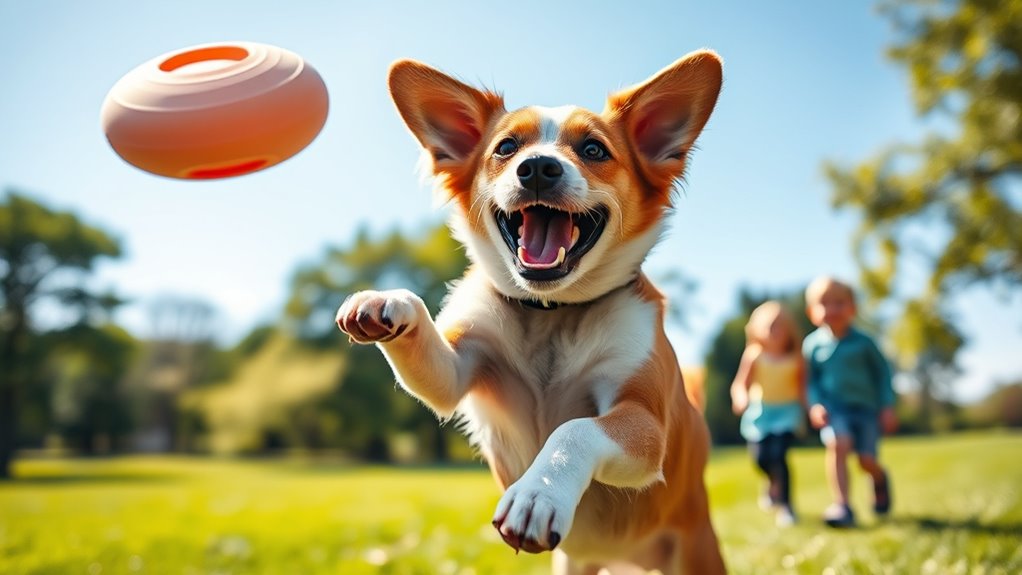
Why Are Dogs Better Than Cats?
Dogs are better than cats because they’re reliable, affectionate, and enthusiastic to bond through daily routines. You’ll enjoy constant companionship, upbeat greetings, and shared activities like walks and play that strengthen trust.
Their alertness also adds home safety, giving you early warnings and peace of mind.
With dogs, you can tailor size, energy, and training to your lifestyle, ensuring better compatibility.
If you keep exploring, you’ll uncover even more ways they fit your life.
Key Takeaways
- Dogs provide unwavering loyalty and constant companionship, greeting owners warmly and strengthening emotional bonds daily.
- Dogs boost physical activity through daily walks and play, promoting regular exercise and better health.
- Training-focused nature of dogs enables easier obedience, routines, and long-term behavior management for households.
- Dogs offer enhanced home safety with alertness, guarding instincts, and early warnings of unusual activity.
- Dogs facilitate social connection and mental well-being by encouraging outdoor activity and community interactions.
Why Dogs Make Ideal Companions
Dogs make ideal companions because they’re unwaveringly loyal and actively form strong bonds with you. You’ll notice how quickly you feel understood when you greet them after a long day, because dogs respond with warmth that’s hard to match.
Dogs are unwaveringly loyal, forming bonds that greet you with unmatched warmth after a long day.
Their loyalty isn’t just sentiment; it shows in consistent, reliable behavior, making you feel secure at home and on outings. You’ll also experience their versatility: dogs learn commands, assist with disabilities, and adapt to your routines, smoothing daily tasks and reducing friction.
When you crave activity, they’re ready for fetch, tug-of-war, or a brisk walk, turning everyday moments into shared adventures. Their protective instincts seep into your sense of safety, as they stay alert and responsive to noises or strangers.
Regular walks and outdoor play foster health for both of you, strengthening your bond through continued interaction and mutual well-being. In short, dogs elevate companionship with loyalty-driven connection.
Daily Joy: Walks, Play, and Bonding With Your Dog
If you’ve felt that same steady sense of loyalty from your canine companion, daily walks and playtime are the simple rituals that keep that bond thriving. You’ll see dog love bloom as you move together—exercise, fresh air, and shared moments fuel happiness. During walks, you’ll notice enthusiastic tails, joyful bursts, and a stronger connection with every step.
Playtime, whether fetch or tug-of-war, tightens your emotional link and shows you how much your dog loves to engage with you. Regular activity helps your dog release energy and stay healthy, while your presence reinforces trust and devotion. Between outings, the daily contact—eye contact, wagging, and those happy greetings—reinforces a bond built on mutual delight.
Here’s a quick snapshot of these daily joys:
| Walks | Play | Bonding |
|---|---|---|
| exercise | interaction | trust |
| outdoor time | fetch/tug | love grows |
| energy release | mood boost | deeper connection |
| consistency | smiles | lifelong companionship |
Getting Started: First Training Milestones for Beginners
You’ll start with basic obedience like sit, stay, and come, building confidence as your pup learns through small, positive steps. Use treats, praise, and gentle handling to reinforce good behavior, while keeping sessions short and focused.
Establish crate and potty routines, gradually introduce new commands, and practice gentle socialization to lay a solid foundation for future training milestones.
Basic Obedience Milestones
Starting with the basics sets a solid pace: you’ll want to teach your dog to sit, stay, come, and lie down reliably in the first few weeks. In this Basic Obedience Milestones stage, you focus on foundational commands that most dogs master within 4 to 8 weeks of consistent sessions.
Use short, frequent training, with clear cues and positive reinforcement like treats and praise to help your dog connect actions with rewards. Keep sessions brief but regular, aiming for steady progress rather than perfection.
These early milestones establish good habits, improve behavior, and boost safety as you advance. Remember, consistency matters: celebrate small wins, reinforce correct responses, and gradually introduce distractions to solidify your dog’s basic obedience and overall training milestones.
Crate and Potty Training
Crate and potty training establish a safe, designated space for your dog and set clear routines that curb destructive behaviors. Crate training helps establish a designated space for the dog, promoting safety and reducing destructive behaviors.
Potty training typically involves taking the dog outside at regular intervals and rewarding successful bathroom habits. Consistency and patience are key; most puppies can be house-trained within 4 to 6 months.
Using positive reinforcement, such as treats and praise, encourages dogs to learn and remember their potty and crate routines. Early training milestones include teaching the dog to go potty on command, enter and exit the crate calmly, and stay within designated areas.
With steady practice, you build confidence and a trustworthy routine for both crate training and potty training.
Gentle Handling Techniques
Gentle handling starts with basic, trust-building commands like sit and stay, taught through positive reinforcement so your dog stays engaged and relaxed. You’ll keep sessions short—about 5-10 minutes—so progress feels steady, not overwhelming. Reward good behavior immediately with treats, praise, or play to reinforce learning milestones and maintain motivation.
Establish clear boundaries and routines early to help your dog understand expectations and reduce anxiety, creating a calmer household. Practice crate training as a first step to promote safety, house-breaking, and ease in managing the dog’s behavior, especially during shifts.
With gentle handling, training becomes a collaborative habit, strengthening bond and communication. Focus on consistency, patience, and steady repetition to build a solid foundation in gentle handling and training.
Home Safety and Peace of Mind With a Dog
Dogs can boost home safety and give you peace of mind thanks to their alertness and instinct to guard. You’ll notice they bark or growl at unusual activity, signaling you to check doors or windows. Their natural guarding behavior can deter burglars, providing real peace of mind for homeowners like you.
You’ll feel more secure knowing your dog is attentive, responsive, and ready to alert you at first signs of trouble. Their loyalty makes them dependable watchdogs, reducing the risk of unexpected break-ins. Unlike cats, which often hide from danger, dogs actively defend their territory, contributing to a safer living environment.
Can a Dog Fit My Space and Schedule? Adaptability by Lifestyle
You don’t have to sacrifice your space or daily routine to enjoy a dog’s companionship. When you pick from dogs and cats, you’ll notice size and breed matter for fit with your home. Many dogs are highly adaptable to different lifestyles, so you can match a pet to your pace and plans.
Smaller breeds, like Chihuahuas or Pomeranians, suit limited indoor spaces and need less room to move. If your life includes frequent travel or early mornings, you can train a dog to your schedule with consistent walks and routines. Active breeds, such as retrievers or border collies, thrive with regular exercise and outdoor activities, aligning with vigorous outdoor lifestyles.
This flexibility by lifestyle means you don’t have to overhaul your routine to enjoy companionship. Your choice should consider space, schedule, and personal energy to ensure a harmonious, long-lasting bond with your dog.
Health and Activity: How Dogs Boost Your Wellbeing
Regular walks and outdoor play with your dog boost your physical fitness and heart health. You’ll likely feel less stressed and more upbeat thanks to the mood-enhancing effects of canine companionship.
As you stay active together, social interactions increase, supporting overall well-being and resilience.
Increased Physical Activity
Walking a daily routine with a four-legged friend naturally bumps your activity, boosting cardiovascular health and helping with weight management. When you share walks, you help their owners exercise and stay motivated, turning routine outings into consistent workouts.
You’ll notice more steps per day, contributing to improved overall fitness and energy. Outdoor activities like hiking or running with your dog create regular, enjoyable exercise habits, reducing sedentary time.
The need for routine walks helps you establish dependable patterns, making activity a natural part of your day. This isn’t just about burning calories; it’s about lasting change.
Reasons Why Dogs matter here: they turn unpredictable free time into structured movement, reinforcing healthier lifestyles for you both.
Enhanced Mental Wellbeing
Dogs boost mental wellbeing by turning daily routines into opportunities for activity and social connection. When you walk or play with your dog, you’re exercising more, which helps reduce stress and boosts mental health. Engaging in fetch or tug-of-war keeps your mind active and your mood steadier, supporting emotional wellbeing.
Dogs love encouraging you to step outside, meet neighbors, and join community activities, easing social isolation. The routine of caring for a dog gives you structure and purpose, which can lessen symptoms of depression and anxiety. Studies show dog owners feel less loneliness and experience lower cortisol levels, signaling calmer stress responses.
In short, these daily commitments translate into clearer thinking, better mood, and improved mental health for you.
Find Your Ideal Dog: Size, Breed, and Chemistry for Your Home
Finding your ideal dog starts with figuring out the right size, breed traits, and how well you click with them—because the right match makes daily life easier and more enjoyable. With over 340 recognized breeds, you can pick a size that fits your living space, from tiny Chihuahuas to large Great Danes, ensuring a comfortable home environment.
Smaller breeds like Dachshunds or Pomeranians excel in apartments, while bigger ones such as Labrador Retrievers or German Shepherds typically thrive in homes with yards. Focus on breed characteristics, including energy levels and temperament, to match your lifestyle—whether you want a high-energy companion or a calm, laid-back pet.
Align your dog’s activity level with yours so exercise needs are manageable and routines stay steady. Assess your home environment and your chemistry with potential breeds to foster a strong bond and smooth daily integration. Your ideal match should click with your schedule, space, and personal energy. size,breed.
Frequently Asked Questions
Why Are Dogs Better Than Cats Quotes?
Dogs are better quotes because you feel their loyalty, love, and enthusiasm to please. You’ll hear how they’re emotionally supportive partners who make your life whole, not just a pet. You’ll notice their playful energy during walks and playtime, and their protective instincts that put your safety first.
You’ll also recognize their trainability and desire to connect, making you more confident, compliant, and bonded. In short, dogs reflect unwavering companionship you value daily.
What Are the 5 Benefits of Dogs?
You’ll notice five clear benefits when you bring a dog into your life. They give you unconditional love and loyalty, trainability that builds a strong bond, an active lifestyle through daily walks, protective instincts that ease your worries, and diverse companionship options to fit your space.
Along the way, you’ll experience companionship that’s consistent, joyful, and adaptable to your routine, making every day feel richer and more connected.
What Is the Silent Killer of Cats?
The silent killer of cats is feline hypertrophic cardiomyopathy, or HCM. You should know it often shows no obvious symptoms until a severe event occurs. Thickening of the heart walls can lead to heart failure or sudden death without warning.
Regular vet check-ups and echocardiograms help detect HCM early, especially in at-risk cats. Don’t wait for signs—early screening can save lives by catching the condition before tragedy strikes.
Is It True That 75% of Dogs Are Depressed?
Yes, it’s not accurate to say 75% are depressed. Some studies suggest a significant portion show depressive-like symptoms in poor conditions, but figures vary and aren’t definitive.
You’d notice signs like lethargy or loss of interest when dogs are bored or lonely, yet many stay happy with proper care. Think of it like a dimmed lamp; it brightens again when you provide mental stimulation and social interaction, restoring their spark.
Conclusion
In short, swapping snuggles and strolls for silly, soulful companionship, dogs deliver daily delights. You’ll savor steady support, sunny smiles, and spontaneous, spirited sprints that supercharge your spirit.
From faithful fostering to fearless, friendly faces, their energy elevates every aspect of life. Embrace the bond, banish boredom, and bask in boundless bliss.
With dutiful devotion and undeniable devotion, dogs decorate your days with warmth, wonder, and wonderful, welcome wellness. Trust the truth: dogs distinctly delight, define, and deserve your days.


