
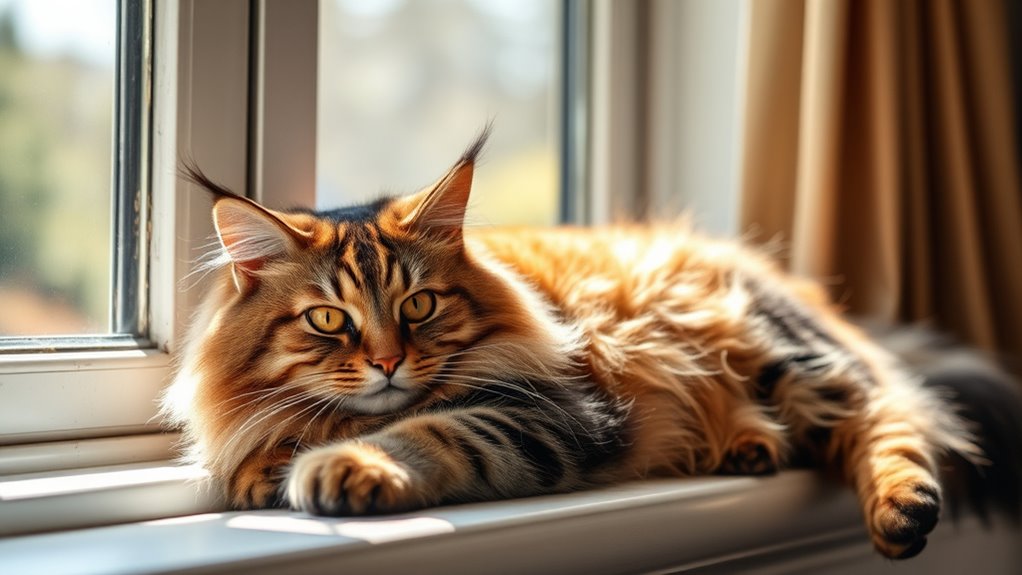
7 Factors That Influence How Much a Maine Coon Cat Does Cost
Prices hike with pedigree and breeder reputation, so you’ll pay more for top lineage and transparent health testing. Age, size, and show-quality traits also push costs up, as do rare coat colors and patterns.
Location and market demand matter, plus regional availability and import fees.
Health guarantees, breeding rights, and ongoing care add value and long-term worth.
If you keep exploring, you’ll uncover more factors shaping the total investment.
Key Takeaways
- Pedigree and breeding reputation, with certified registrations and health screenings, can significantly raise Maine Coon prices. Show-quality traits and rare features (polydactyly, unique coat patterns/colors) boost market value.
- Location and regional demand, urban premiums, and import/transport costs shape actual pricing. Ongoing ownership costs (grooming, veterinary care, premium food) influence true lifetime expenses.
- Breed rights, health guarantees, and transparency in lineage provide buyer confidence and can elevate price.
What Makes Maine Coons Worth the Investment: Key Value Factors
Maine Coon value hinges on pedigree and lineage, especially whether the cat comes from championship-quality lines. You’ll see how pedigree influences every price tier, since true show-quality animals carry documented lineage and conformation to breed standards. Your focus should be on physical traits that attract buyers: distinctive coat colors, patterns, and even rare traits like polydactylism, which can raise investment value when well pedigree-matched.
Health testing and certifications matter just as much as looks, because responsible breeders confirm genetic health and provide documented proof, boosting confidence and price. The reputation of breeder plays a critical role; buyers rely on proven track records of ethical care, transparent disclosures, and successful prior placements. Show-quality cats typically command higher prices, reflecting stringent evaluations and verifiable certifications.
Ultimately, lineage, certifications, and reliable health data cement the investment value, aligning long-term temperament and socialization with predictable outcomes for you as a buyer or breeder.
Pedigree, Lineage, and Breeder Reputation: What to Look For
A solid pedigree from champion lines can push a Maine Coon kitten’s price up by 50% or more, making lineage a core value driver. You’ll want to assess pedigree quality by looking at pedigree lines and the depth of documented ancestry, ensuring lineage documentation is complete and transparent.
A strong breeder reputation typically accompanies certified registration with recognized bodies, which adds credibility and can elevate price through certification status. Health testing and genetic screenings should be standard practice among reputable breeders; verify that tests cover common Maine Coon concerns and that results are accessible.
When evaluating breeders, focus on those with transparent lineage and consistently ethical practices, as these factors correlate with higher costs but also reliability. Reputable breeders often offer thorough documentation, including parent histories and lineage records, which helps you trace heredity and confirm authenticity.
Age, Size, and Show-Quality Traits: How They Impact Price
You’ll notice price shifts as kittens grow, since younger cats often require more upfront care and socialization. Size matters too, with larger or breed-standard cats typically earning higher prices, and show-quality traits can push values even higher.
Rare features or championship lineage can further boost cost, creating a premium beyond typical pet-quality cats.
Age-Based Valuation Variance
Age influences value because buyers often pay more for younger kittens with growth potential and strong socialization, while older cats may be cheaper unless they feature show-quality traits.
In this subtopic, you’ll see how age interacts with size and show quality to shape price variation. A young Maine Coon typically commands higher pricing due to market value placed on potential and early training. Adolescent cats may sit between young and adult benchmarks, balancing expectations with mature traits.
Price decrease can occur as cats age, unless distinctive features sustain desirability. Larger, show-influenced individuals sometimes retain premium pricing longer, influencing valuation. Overall, pricing factors hinge on appeal, competition, and anticipated longevity, so you mitigate risk by aligning expectations with observed market value and documented pedigree.
Size Influence On Price
Size and maturity strongly shape what buyers pay for Maine Coons.
You’ll notice price shifts tied to size, with large stature cats often demanding higher figures due to impressive size and presence. Size variations influenced by genetics and nutrition can push valuations upward when cats are well-proportioned to the breed standard. Younger kittens tend to be more expensive because of care needs and demand, while premium specimens with breed-specific traits and polished physical features fetch top dollar.
- Larger individuals near the breed standard raise price expectations due to impressive size.
- Well-proportioned cats aligned with breed standard command premium figures.
- Premium specimens show standout physical features and breed-specific traits.
- Price bands rise beyond standard ranges for large stature, high-quality examples.
Show-Quality Trait Premium
Show-quality Maine Coons command a premium because they meet or exceed breed standards in multiple facets, from structure and coat to temperament and presence. When you seek show-quality traits, you’re valuing physical characteristics that align with breed standards, size and appearance, and overall presence.
Age matters here, as younger kittens may fetch higher prices due to potential for show and breeding, while larger size and features like a bushier tail and prominent ruff boost the physical traits premium. Rare coat patterns and eye colors elevate value, especially when paired with show-winning lineage or championship bloodlines.
The culmination of traits signals a cat ready for competition, not just pet life, driving premium pricing for those with championship bloodlines and verified lineage.
Coat Color, Patterns, and Rare Features That Influence Price
Coat color, patterns, and rare features play a major role in a Maine Coon’s price because scarcity and visual appeal drive demand. You’ll notice rare coat colors and striking color combinations often push market value higher, as buyers seek standout visuals that align with breed rarity and standards.
Maine Coon patterns, like ticked or tabby designs, can boost appeal when they meet breed standards and exhibit clean, balanced markings. Polydactyl Maine Coons, with extra toes, are particularly scarce and can markedly raise price, reflecting both rarity and added visual interest.
Location, Availability, and Market Dynamics: Where Prices Vary
Prices you’ll see for Maine Coons shift by region, with urban areas typically higher due to demand and costs. Availability of purebred or show-quality kittens in your area also shapes prices, especially where breeders are scarce.
Consider how import costs, seasonal demand, and local competition influence what you’ll actually pay in your market.
Regional Price Variations
Regional price differences for Maine Coon cats hinge on where you are and how many trustworthy kittens are available nearby. Regional price variation is driven by geographic location, urban demand, and the supply of Maine Coons in your area, shaping daily price fluctuations.
1) Geographic location and urban demand influence price levels more than you’d expect, especially where breed popularity is high.
2) Supply of Maine Coons and breed scarcity in a region push prices upward when breeders are few.
3) Transportation costs and import fees add to the base price when sourcing from distant or European lines.
4) Local market demand and availability of healthy, high-quality kittens cause regional price fluctuations, sometimes sharply.
Supply and Demand Shifts
As supply and demand shift, location, availability, and market dynamics can move Maine Coon prices more than you’d expect. You’ll notice supply and demand shape pricing fluctuations as regional variations emerge from where cats are bred and sold. Availability matters: fewer reputable breeders or limited high-quality kittens push prices higher, while abundant supply can ease them.
Market dynamics drive changes around seasonal demand, holidays, and breeding cycles, causing temporary price bumps. Import costs enter the mix when European Maine Coons or rare color variants are sought, lifting overall costs. Local breeder competition also influences pricing, with high demand in popular markets often elevating rates.
Track market trends and be aware of regional variations to understand true cost shifts over time.
Local Market Accessibility
Local market accessibility varies by location, availability, and local dynamics, so where you’re shopping can dramatically affect what you pay for a Maine Coon.
Local availability and regional demand shape price gaps, with tighter markets often costing more. Breeder location and urban vs rural markets influence成本 due to operating costs and competition. Transportation costs and import fees can boost the total when sourcing European or rare lines.
Geographic pricing reflects market competition, breeder licensing, and regulatory differences across areas.
Understanding these factors helps you assess value beyond sticker price, recognizing how geographic pricing and local availability drive price variety rather than breed quality alone.
Health Testing, Guarantees, and Breeding Rights: What Adds Value
Health testing, guarantees, and breeding rights all add measurable value to a Maine Coon, because rigorous health screenings and documented protections reduce risk for buyers and future headaches for owners. You’ll often see health testing like DNA tests, echocardiograms, and hip screenings adding $1,500–$2,500 per cat, a worthwhile investment for genetic health.
Reputable breeders who run thorough health certifications tend to offer stronger pedigree value and clearer lineage, which supports long-term satisfaction. Guarantees for health and congenital issues are frequently bundled into the price, providing peace of mind if problems arise.
Breeding rights, especially for show or breeding cats, can considerably elevate the cost, sometimes doubling or tripling the price compared with pet-quality cats, reflecting breeding fees and active program participation. When evaluating options, look for documented health guarantees, transparent pedigrees, and clear licensing or registration that backs pedigree value.
These elements collectively signal responsible breeding practices and better odds of lasting health for your Maine Coon.
Ongoing Costs and Long-Term Value: Budgeting for a Maine Coon
Caring for a Maine Coon goes beyond the upfront price, since ongoing costs—like premium food, grooming, veterinary care, and preventive treatments—can exceed $1,500 a year. Understanding these ongoing costs helps you gauge the true investment of long-term ownership and the breed’s long-term value.
1) ongoing costs: budget for annual essentials such as high-quality food, grooming supplies, vaccines, dental care, parasite prevention, and routine checkups.
2) budgeting strategy: set aside a dedicated fund for preventive health and maintenance costs, and review it yearly as needs rise with age and health events.
3) insurance consideration: pet insurance can offset unexpected veterinary bills, contributing to steadier long-term ownership finances.
4) value alignment: prioritize preventive health and proactive care, recognizing that consistent grooming and early interventions protect overall well-being and cost efficiency.
Frequently Asked Questions
What Makes Maine Coons so Expensive?
You’ll pay more because you’re buying quality, pedigree, and rarity all in one furry package. Champion bloodlines, show-quality traits, and rare features like polydactyly or exotic coat colors boost the price. Importing from Europe adds shipping and customs costs, while high demand and limited supply push up regional prices.
Breeders invest in health screenings, genetic testing, and premium diets, ensuring better health and longevity—costs you’re covering with the actual price tag.
How Much Do Maine Coons Cost on Average?
On average, you’ll likely spend between $1,000 and $3,000 for a Maine Coon kitten. If you’re aiming for show-quality bloodlines, plan for $2,000 to $4,500. Adopting from a shelter is often much cheaper, around $250 to $500.
European imports can push prices higher, sometimes beyond $3,000. Expect rarer colors or unique traits to raise costs further. If you want a precise figure, consider your goals: show, pet, or rescue, and shop accordingly.
What Do I Need to Know Before Buying a Maine Coon Cat?
Before buying a Maine Coon, you should know you’re committing to a large, active, grooming-heavy breed. Check health testing and pedigree with reputable breeders, expect higher upfront costs for show-quality lines, and plan ongoing expenses for quality food, vaccines, and regular vet visits.
Confirm you have enough space, time for brushing, and social interaction. Consider import costs if you want a European line, and be prepared for potential grooming and behavioral needs.
Why Is Owning a Cat so Expensive?
Owning a cat can cost you big—about 70% of first-year expenses go to health care and gear. You’ll spend on vet visits, vaccines, and unexpected emergencies, plus food, litter, grooming, and enrichment.
Premium diets and high-quality veterinary care keep them healthy but aren’t cheap. Add in grooming, accessories, and space—especially for a Maine Coon—and costs can rise fast.
You trade money for comfort, companionship, and a healthier, happier cat in return.
Conclusion
So, as you weigh the price, remember the pieces that truly add value aren’t just flashy traits or a flashy pedigree. It’s the breeder’s transparency, health guarantees, responsible breeding practices, and the ongoing care your Maine Coon will need—every vet visit, every cuddle, every exam of lineage and limits met.
Can you picture the trust that comes with a well-bred cat and the peace of mind that once bought, both you and your cat share a healthier, brighter future together?


