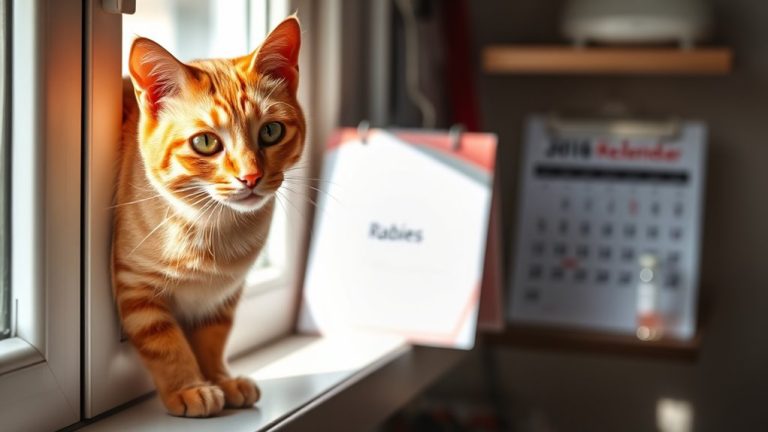

Can Cats Get Colds and How to Tell
Yes, cats can get colds, usually from feline herpesvirus or calicivirus. Watch for sneezing, nasal discharge (clear or cloudy), watery eyes, and glare or squinting.
Other signs include coughing, reduced appetite, lethargy, and nasal congestion. Most recover in a week with supportive care, but call your vet if symptoms persist beyond 4–7 days, worsen, or your cat won’t drink.
You’ll learn more about at‑home care and when to seek help if you keep reading.
Key Takeaways
- Yes, cats can get colds caused by viruses like feline herpesvirus and calicivirus, leading to respiratory symptoms.
- Common signs include sneezing, nasal discharge, watery or red eyes, coughing, and reduced appetite.
- Most cats recover in 7–10 days with supportive care; seek vet care if symptoms persist beyond 4–7 days or worsen.
- Watch for dehydration or lethargy, which indicate more serious illness requiring veterinary assessment.
- Prevention includes indoor living, good hygiene, isolating infected cats, and minimizing exposure to other cats with respiratory signs.
What Is a Cat Cold and When to Worry
A cat cold is an upper respiratory infection caused by viruses like feline herpesvirus or calicivirus, and it often mirrors a human cold with sneezing, runny nose, and watery eyes. You’ll notice symptoms such as sneezing, nasal discharge, and teary eyes that resemble a human cold, but keep in mind this is contagious among cats. Most cats recover within 7-10 days without treatment, yet persistent or severe symptoms require veterinary care.
Monitoring is key, especially for young, elderly, or immunocompromised cats who are at higher risk of complications. If you see warning signs—no improvement after 4 days, difficulty breathing, or a reduced appetite—seek care promptly. Dehydration is a concern, so ensure your cat has access to water and observe for lethargy.
Even though many cases resolve, don’t ignore persistent symptoms that last beyond two weeks. Early veterinary attention safeguards against complications and confirms whether the illness is due to feline herpesvirus or calicivirus.
Common Signs You Can’t Ignore
You’ll want to spot sneezing, because persistent sneezing can signal a cold. Pay attention to appetite and energy changes, since reduced eating or lethargy often accompany a viral episode.
If symptoms worsen, linger, or you notice coughing or trouble breathing, seek veterinary guidance promptly.
Sneezing Signals Alert
Sneezing is one of the most common signs your cat may have a cold or an upper respiratory infection, but repeated or persistent episodes with nasal discharge or watery eyes merit a closer look. If you notice sneezing followed by discharge or watery eyes, you’re seeing potential cat cold symptoms that shouldn’t be ignored.
Sudden sneezing in a healthy cat might be triggered by irritants like dust, strong odors, or environmental changes, but recurring episodes across days point to an infection needing medical attention. Monitor nasal congestion and any coughing, appetite loss, or lethargy, as these together signal a more serious issue.
Early veterinary care can help with effective treatment, reduce complications, and guide you on prevention.
Appetite and Energy Clues
Appetite and energy changes are common clues your cat may be fighting a cold, since nasal congestion and lingering irritation can dull the sense of smell and motivation to eat or play. You may notice a decrease in appetite as meals become unappealing and interest in food wanes.
Energy levels often drop, with increased lethargy and fatigue limiting activity and play. If your cat refuses to eat or drink for more than 24 hours, dehydration becomes a real risk and requires veterinary attention.
Track your cat’s symptoms daily—note appetite, energy, and overall activity—to identify any worsening signs. Monitoring changes helps you respond quickly and seek care if needed, ensuring your cat stays hydrated and comfortable during the cold.
What Causes Cat Colds and How They Spread
Cat colds are mainly caused by viruses like feline herpesvirus and calicivirus, which spread easily between cats. You’ll find these infections are contagious through respiratory droplets when an infected cat sneezes or coughs, and they contaminate surfaces and shared objects. Outdoor cats face higher risk because they encounter more cats and more opportunities for transmission, but indoor cats aren’t immune in multi-cat households.
Feline herpesvirus tends to persist for life in an infected cat, making re-infection or shedding common over time. Viral infections are the primary culprits, with bacterial infections sometimes following as secondary problems in the same environment. You’ll notice overlapping symptoms such as sneezing, nasal discharge, and eye irritation that signal a cold-like illness.
Transmission can occur via close contact or via contaminated environments and shared objects. Understanding this helps you reduce spread by limiting exposure and maintaining clean, separate resources where possible.
At-Home Care vs. When to See a Vet
You can start with basic home care for mild symptoms, like using a humidifier and gentle cleaning to keep your cat comfortable.
If symptoms last more than 4–7 days, worsen, or your cat has underlying health issues, seniors, or a kitten, call your vet for guidance.
Home Care Essentials
Mild cat colds often improve at home within a week or so with simple care, like using a humidifier and gently cleaning any discharge. You’ll stick to basic home care, focusing on keeping your cat comfortable and nourished. Make certain it continues to eat and drink, offering warmed, easy-to-swallow food to support recovery.
Use a saline solution to clean eyes and a damp cloth for nasal discharge, noting cat cold symptoms as they appear. Monitor appetite, energy, and hydration, and adjust care as needed. If symptoms persist beyond 4 days or worsen, seek guidance, since prolonged issues can signal trouble.
Immediate vet care is necessary only for breathing difficulty, dehydration, or loss of appetite. For uncomplicated cases, responsive, calm home care is effective.
When Vet Is Needed
Most mild cat colds improve at home within about a week, but knowing when to seek veterinary care can prevent complications. You’ll want to watch for persistent symptoms beyond four days, and evaluate any rapid breathing or loss of appetite as red flags prompting a veterinary consultation.
If your cat is very young, old, or immunocompromised, seek care sooner rather than later. Signs like fever, green or yellow nasal discharge, or coughing signal you should contact your vet for diagnosis and treatment. Never give human cold meds without approval.
For a clearer picture, envision this simple table and its imagery below.
| Row 1 | Row 2 | Row 3 |
|---|---|---|
| vet help | breathing trouble | evaluation required |
How Vets Diagnose and Treat Feline Upper Respiratory Infections
Vets diagnose feline upper respiratory infections through a careful physical exam and review of your cat’s medical history, looking for signs like sneezing, nasal discharge, and ocular inflammation. You’ll undergo tests to confirm the diagnosis and guide treatment. Diagnostic tests such as blood work, chest X-rays, and PCR panels analyze eye and nose secretions to identify specific viruses or bacteria.
PCR panels are highly sensitive and can detect multiple pathogens simultaneously, aiding in accurate diagnosis. Based on your cat’s symptoms and test results, treatment options depend on severity and may include supportive care, antibiotics for secondary bacterial infections, and antiviral medications if appropriate.
Early veterinary intervention is vital to prevent complications like pneumonia and guarantee a full recovery. Your veterinarian will monitor progress, adjust therapies as needed, and emphasize the importance of follow-up visits to assess response and rule out complications.
Preventing Cat Colds and Helping Recovery at Home
To prevent cat colds and speed recovery, keep your cat indoors and limit contact with unknown or sick cats, wash your hands regularly, and clean shared surfaces to reduce virus spread. You’ll bolster preventing infection by maintaining indoor cats in a calm, warm environment that supports the immune system.
Regular hydration matters, so offer fresh water and tempting warm wet food to encourage intake during home recovery. A humidifier or vaporizer helps ease nasal congestion and improves breathing, reducing viral transmission risk from environmental moisture loss.
Monitor appetite, energy, and litter box habits; if you notice declines, consult your vet promptly. Create predictable routines, minimize stress, and ensure easy access to shelter, food, and water.
Even after symptoms lessen, continue gentle care for several days to prevent relapse. With these steps, you support healing while keeping your cat comfortable and safer at home.
Frequently Asked Questions
How Do I Check if My Cat Has a Cold?
Yes, you can check by looking for symptoms like sneezing, coughing, watery eyes, or nasal discharge. Note if your cat is less active, has reduced appetite, or seems lethargic.
Gently feel for a mild fever by touching ears or paws, and watch for open-mouth breathing or trouble breathing. If symptoms persist, worsen, or your cat won’t eat, make an appointment with your vet promptly for a proper exam and care.
How Do Cats Act When They Have a Cold?
When your cat has a cold, they act sleepy and sluggish, like winter fluff settling in. You’ll notice sneezing, nasal congestion, watery eyes, and a decreased appetite. They may be less active, avoid playing, groom themselves less, and breathe a bit faster or cough.
Some have a fever. You’ll see reduced curiosity and interaction. If symptoms drag on beyond a couple of days or worsen, contact your vet for guidance and care.
How Do Indoor Cats Get Colds?
Indoor cats get colds mainly by contacting infected animals or contaminated objects, through airborne droplets, or from stressed or immunocompromised states that let viruses take hold.
You might carry the germs on your hands, clothing, or shared bowls, litter boxes, and bedding. Even if you stay indoors, a sneezing guest or a recently infected item can introduce the virus.
Watch for fever, runny nose, coughing, and reduced appetite, and seek vet care if signs persist.
What Are the First Signs of Cat Flu?
“An ounce of prevention is worth a pound of cure.” The first signs of cat flu show up as sneezing, nasal discharge, and watery eyes. You may notice reduced appetite, mild fever, increased tearing, and congestion.
Your cat might seem a bit lethargic or uncomfortable, too. These symptoms often appear 2 to 7 days after exposure, so keep an eye on appetite changes and behavior. Seek veterinary care if symptoms worsen or persist.
Conclusion
You’ve learned how a cat cold shows up and when to worry, so you can act fast and keep your feline friend comfy.
Remember: most URIs improve in a week, but dehydration or persistent symptoms need a vet.
Fun fact: kittens are especially vulnerable—up to 80% get at least one URI by six months.
Stay vigilant, offer fluids, and keep recovery quiet and warm.
When in doubt, don’t hesitate to seek professional care for your kitty’s health.