How Cats Can Safely Eat Raw Beef
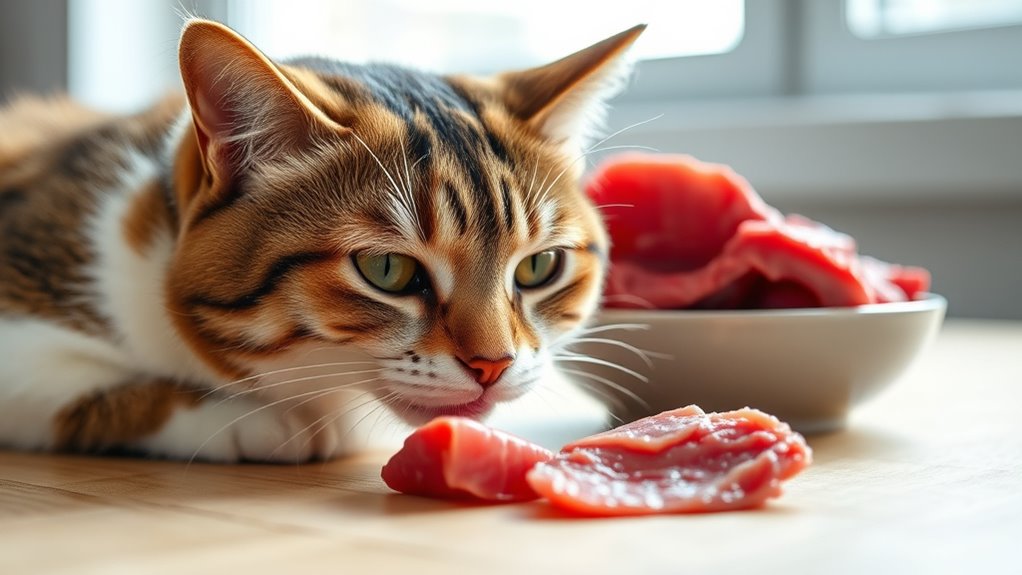
You can feed your cat raw beef safely by choosing fresh, lean cuts from trusted sources and handling it with strict hygiene.
Freeze the meat at -20°C for at least 3 days to reduce parasites. Thaw it in the fridge or cold water, and portion into individual servings.
Remove excess fat and store leftovers properly. Start with a small raw portion and gradually increase, while monitoring for tummy upset.
If you keep exploring, you’ll learn more steps and safety tips.
Key Takeaways
- Source high-quality, lean raw beef from reputable suppliers; trim fat and avoid seasoned or cured meats.
- Freeze meat at -20°C for at least 3 days to reduce parasites and lower bacterial risk.
- Thaw in the fridge or under cold water; inspect for freshness before serving in proper portions.
- Transition gradually: start at 25% raw, then increase by 10–15% every few days, aiming for ~2–3% of body weight daily.
- Practice strict hygiene and monitor for symptoms; consult a vet if vomiting, diarrhea, or refusal occurs.
Is Raw Beef Safe for Cats? Balancing Nutrients and Risks
Yes, uncooked beef can be safe for cats if managed properly and incorporated as part of a balanced diet. You’ll want fresh, properly stored meat, frozen for at least 3 days to help eliminate parasites, and lean cuts with fat trimmed to support food safety and digestion.
In this context, uncooked beef provides high-quality protein, iron, B vitamins, and taurine, contributing to a nutritional balance when used thoughtfully. You’ll be balancing benefits with risks, including bacteria such as Salmonella and E. coli that can affect both you and your cat if mishandled.
Because of these risks, consider uncooked beef as part of a complete diet or appropriate supplementation, ideally under veterinary guidance, to maintain nutrition without compromising safety. Always follow sanitary handling, proper storage, and portion control to maximize safety.
If you opt for a raw diet, monitor your cat’s response and adjust as needed within a veterinary-approved plan.
How to Choose Safe, High-Quality Raw Beef for Cats
Choosing safe, high-quality raw beef for your cat starts with sourcing from trusted suppliers that meet pet food safety standards, such as BRC accreditation. You’ll want fresh meat in lean cuts, like ground beef or small cubes, and you should avoid processed or seasoned options to minimize risk.
Look for unseasoned beef and remove excess fat before serving to cut extra fat and toxins. For parasite prevention and to lower bacterial risk, freeze the beef at -20°C for at least 3 days prior to feeding, then store in airtight containers.
Proper thawing is essential—defrost in the refrigerator or under cold water just before serving to preserve freshness and texture. Always verify meat storage conditions and handle with clean utensils to maintain pet food safety.
Step-by-Step Thawing, Handling, and Serving Raw Beef for Cats
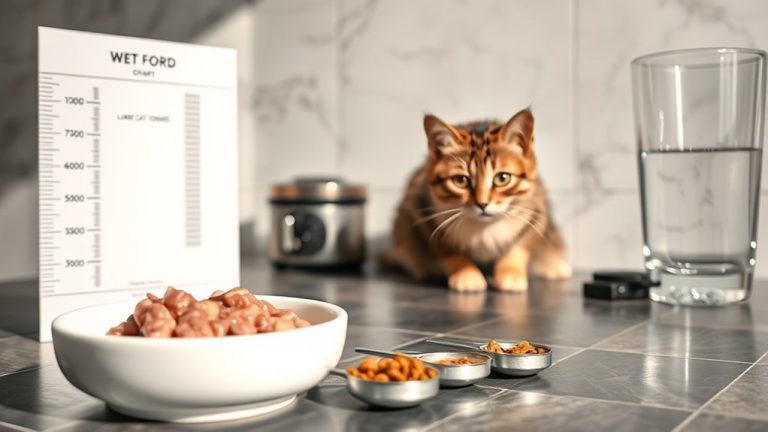
To thaw, handle, and serve raw beef safely for your cat, start by thawing the meat in the refrigerator for about 24 hours or in tepid water for faster defrosting, keeping it at safe temperatures throughout. When thawed, remove excess fat to improve digestibility and reduce unhealthy fat intake. Check freshness: the raw beef should be free of off-odor or discoloration before serving.
Maintain strict cleanliness by disinfection of all surfaces, utensils, and your hands after handling to prevent bacteria transmission. Portioning is essential: divide the thawed meat into individual servings and store leftovers in airtight containers. Use the portions within 4 days to preserve safety and freshness.
During serving, ensure the meat remains cold until serving time and avoid cross-contamination with ready-to-eat foods. This step-by-step approach supports ongoing safety, refrigeration standards, and responsible raw-beef feeding for your cat.
Cat Portion Sizes and Transition Plan to Raw Beef
Starting with a gradual shift helps prevent digestive upset while you shift your cat to raw beef. Your transition plan should begin by replacing 25% of your cat’s regular diet with raw beef for the first 3 days. Then increase raw beef intake by 10-15% every few days until it constitutes 100% of the diet over about two weeks.
Aim for portion sizes of raw beef that total roughly 2-3% of your cat’s body weight daily, split into two meals. This approach supports nutrient balance while you conduct a dietary adjustment. Throughout feeding raw, monitor for any signs of digestive upset or allergies and adjust quantities accordingly.
Keep veterinary guidance in mind to ensure the total daily raw beef portion meets your cat’s specific nutritional needs. This gradual introduction helps establish a safe to feed routine, supports a raw cat diet transition, and guarantees you maintain a clear transition plan.
Monitoring and When to Consult a Veterinarian
After you’ve started introducing raw beef, it’s important to keep a close eye on how your cat handles it. Monitoring cat health means noting any gastrointestinal upset such as vomiting, diarrhea, or lethargy after feeding raw beef. Pay attention to signs of illness beyond the ordinary, and track any unusual symptoms that appear within the first 24 hours or a few days of feeding.
If your cat refuses raw beef or shows persistent symptoms to watch, seek veterinary consultation promptly. Schedule regular health check-ups to assess overall condition and nutritional status while you pursue raw beef safety. Use these visits to discuss the feeding plan, blood work if needed, and adjustments to portion sizes.
Early intervention is key; contact your veterinarian immediately if fever, drooling, or abdominal pain emerge, or if appetite drops for more than a day. Keep lines open with your vet about any deviations from expected reactions.
Frequently Asked Questions
Is It Safe for Cats to Eat Raw Beef?
Yes, it can be safe if you source from reputable suppliers and handle it properly. Freeze for at least 3 days to reduce parasites, trim excess fat, and avoid seasonings, onions, or garlic. Store and thaw in the fridge, prevent cross-contamination, and feed in appropriate portions.
Regular veterinary guidance helps ensure it meets your cat’s nutritional needs and minimizes health risks. Monitor your cat closely for any digestive changes and adjust as advised.
How Can Cats Eat Raw Meat and Not Get Sick?
Some say cats can safely eat raw meat, but the truth depends on careful handling. To minimize sickness, you’ll freeze the meat at -20°C for at least 3 days, thaw it in the fridge or tepid water, and keep it clean.
Remove fats, skip seasonings, portion small amounts, and discard leftovers after 2 hours. Wash your hands and utensils between tasks, and monitor your cat for any signs of illness after meals.
What Kind of Raw Beef Is Best for Cats?
The best raw beef for cats is lean cuts like sirloin or tenderloin, in small cubes or finely minced, labeled for pet use. Choose fresh, unseasoned beef from reputable suppliers, and freeze for at least 3 days to reduce parasites.
Trim excess fat, handle with clean utensils, and serve in moderation as part of a balanced diet. Avoid processed or seasoned meats, and always monitor your cat for any digestive issues.
Conclusion
You walk the line between risk and reward, like a tightrope over a kitchen sink. Raw beef gleams with protein, yet shadows of bacteria lurk below the surface. Balance your cat’s nutrition with caution: clean prep, strict sourcing, precise portions.
The sunlit bowl of significance sits beside a bowl of contamination if you rush. Choose safety and patience over speed, and let vigilance be your guiding compass through every bite. Juxtaposed futures: thriving cat, safer kitchen.