
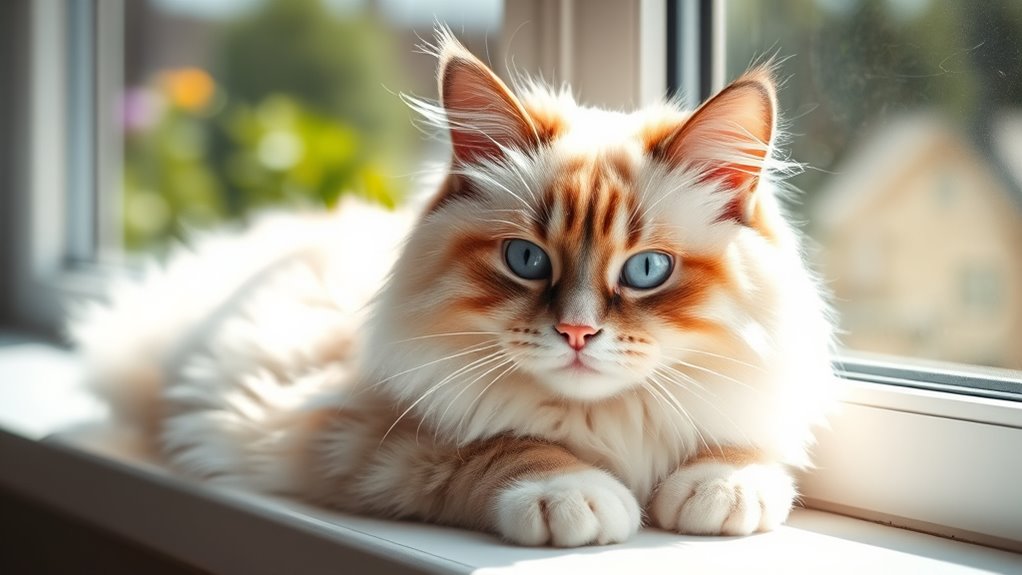
How Much Do Ragdoll Cats Cost in 2026: 3 Price Ranges
You’ll find three clear price bands for 2026 ragdoll cats—pet-quality, show-quality, and pedigree—so you can budget from roughly $1,200 up to $7,500.
Pet-quality cats run around $1,200–$1,800, while show-quality furballs fetch $3,600–$7,500. True pedigree cats with champion lines can push higher.
Prices hinge on pedigree, health guarantees, and breeder credibility. Shelters offer lower upfront costs, but long-term care and vet bills matter too.
Curious what each factor means for your bottom line? There’s more to learn.
Key Takeaways
- Pet-quality ragdolls typically cost $1,200–$1,800, focusing on standard health and appearance without pedigree highlights.
- Show-quality ragdolls range from $3,600–$7,500, reflecting conformation and champion bloodlines.
- Pedigree or championship-line cats with documentation can push prices higher, especially with imported lines.
- Shelters or discounted options are around $200–$400, often with limited pedigree or show potential.
- Typical healthy kittens cost about $1,500–$3,000, with long-term costs influenced by care, food, and vet needs.
What Are the Three Price Ranges for 2026 Ragdoll Cats?
There are three main price ranges you’ll typically see for 2026 Ragdoll cats. You’ll find pet-quality cats priced around $1,200 to $1,800, offering solid health and a standard appearance, but not pedigree highlights or champion bloodlines.
For those seeking a purebred companion with strong lineage, the price range shifts upward: show-quality Ragdolls with champion bloodlines can cost from $3,600 to $7,500, reflecting breeder reputation, pedigree documentation, and enhanced conformation.
If you’re open to alternatives, discounted or shelter options are available, typically around $200 to $400, though they may lack pedigree and show potential.
Across all categories, the most common price range for a standard, healthy kitten is roughly $1,500 to $3,000. Your decision will hinge on what you value: adoption price flexibility, breeder reputation, and the pedigree you desire, balanced with health guarantees and long‑term care expectations.
What Drives Price Within Each Range: Pedigree, Health Guarantees, and Source Credibility?
Pedigree, health guarantees, and source credibility are the main levers that determine price within each range. You’ll see higher prices tied to pedigree and lineages, especially show-quality cats and imported pedigrees, where champion lines boost value.
Pedigree, health guarantees, and source credibility drive premium prices.
Health guarantees add cost too, because vaccinations, genetic testing, and documented health histories prove lineage authenticity and overall wellness. Certifications and full registration papers signal legitimacy, further lifting prices within a tier.
Source credibility matters: breeders with transparent records, positive reviews, and consistent reputations justify higher asks. When a breeder can demonstrate lineage authenticity through pedigrees, show records, and verifiable certifications, you’re paying for trust as much as traits.
Expect higher end figures for cats that come with complete vaccination, confirmed genetic testing results, and robust health guarantees. In short, pedigree quality, proven health safeguards, and a trustworthy breeder reputation collectively drive premium pricing across ranges.
How to Choose Value: Compare Breeders, Shelters, and Long-Term Ownership Costs for the Best Deal
When you’re weighing value, compare not just price but what you’re getting: reputable breeders, shelters, and the long-term costs of ownership all shape the real deal. You’ll assess initial costs, pet quality, and pedigree from breeders versus the lower price tag you’ll find at shelters. Breeders often include health guarantees, vaccinations, and vet care, which can justify higher upfront costs, while shelters offer a cost-effective option to support animal welfare, albeit with limited pedigree documentation.
Long-term costs matter as much as the sticker price: monthly outlays for food, grooming, vet care, and needed supplies can push the total well beyond the initial purchase. Consider value over time: a higher initial cost with reliable vet care and grooming may reduce long-term vet bills, whereas a bargain from a shelter could still require substantial ongoing expenses.
Weigh these factors to choose the option that fits your budget and yields a healthy, happy Ragdoll.
Frequently Asked Questions
How Much Do Ragdoll Cats Usually Cost?
You’ll usually spend around $1,200 to $2,500 for a pet-quality Ragdoll from a reputable breeder, with show-quality kittens often $3,000 to $3,800.
If you’re open to adoption, expect $400 to $1,000 from shelters or rescues. Your final cost depends on pedigree, breeder reputation, location, and whether you’re after pet or show quality.
Remember to budget for ongoing care, like litter, food, vaccines, and veterinary needs.
Is Taylor Swift’s Cat a Ragdoll?
Yes, Taylor Swift’s cat Olivia Benson is a Ragdoll. You know she’s famous for those blue eyes and plush coat, which fit the breed’s signature look. You’ve probably seen Swift share how affectionate and gentle her Ragdolls are, and Olivia’s kept that fandom vibe alive.
You might wonder why so many celebrities adore this breed, and the answer isn’t just beauty—it’s temperament that often wins hearts. So, yes, she’s a Ragdoll.
Should I Get 1 or 2 Ragdolls?
One interesting stat: two Ragdolls can save you long-term by keeping each other entertained, cutting enrichment costs. So, you should get 2 if your space and budget allow, since they socialize and reduce behavioral issues.
But if you’re tight on time or funds, start with 1 and plan for a second later, ensuring you can handle food, litter, grooming, and vet care. Your decision balances companionship benefits against ongoing commitments.
Is 12 Old for a Ragdoll?
Yes, 12 is your Rag’s early senior stage. You’ll likely notice slower activity, stiffness, or dental changes, but proper vet care and good nutrition can keep them comfy longer.
You’ll want to monitor weight, coat, and behavior, schedule regular checkups, and adjust play and diet to their aging needs.
With proactive care, your Rag could stay healthy and affectionate well into their late teens, even beyond 12.
Conclusion
You step into a room where sunlight pools on fur like warm caramel, and a kitten’s purr threads your thoughts with soft, steady rain. Price sketches the journey—pedigree maps the stars, health guarantees guard your nights, credibility steadies the ship.
You weigh breeders, shelters, and the quiet cost of years ahead. Choose value not as a single sparkle, but as a steady glow: a home you’ll relive in future mornings, with a ragdoll’s gentle presence guiding you home.